
Condo Or Co-op In Chelsea: How To Decide
March 5, 2026
March 5, 2026
Trying to decide between a condo or a co-op in Chelsea? You are not alone. The right choice depends on how you plan to use the home, your financing strategy, and how much flexibility you want. In this guide, you will learn the real differences, where each option is most common in Chelsea, and the cash, timing, and rules that matter before you make an offer. Let’s dive in.
When you buy a condo, you receive a deed to your unit plus a share of the common areas. It is real property, and your lender records a mortgage against your deed. The building has a declaration and bylaws, and many lenders review the project for eligibility. The New York Attorney General explains these documents and buyer protections in its consumer guide on condos and co-ops (Before You Buy a Co-op or Condo).
When you buy a co-op, you purchase shares in a corporation and receive a proprietary lease for the right to live in the apartment. The co-op corporation pays the building’s property taxes and any underlying mortgage. Your monthly maintenance typically includes your share of taxes, insurance, and building debt service. The Attorney General’s guide also outlines the stock certificate, proprietary lease, and board approval process you will encounter with co-ops (AG guidance).
Condo loans are conventional mortgages recorded against the deed, and lenders often run a condo project review to confirm “warrantable” status for the best rates and terms (Fannie Mae condo review overview). Co-op loans are share loans secured by your shares and proprietary lease, with lenders typically filing a UCC-1 and requiring a board recognition agreement (co-op board process and recognition agreements). For taxes, co-op shareholders usually receive an annual statement showing the portion of maintenance tied to real estate taxes and building mortgage interest, which is relevant for itemized deductions subject to federal limits.
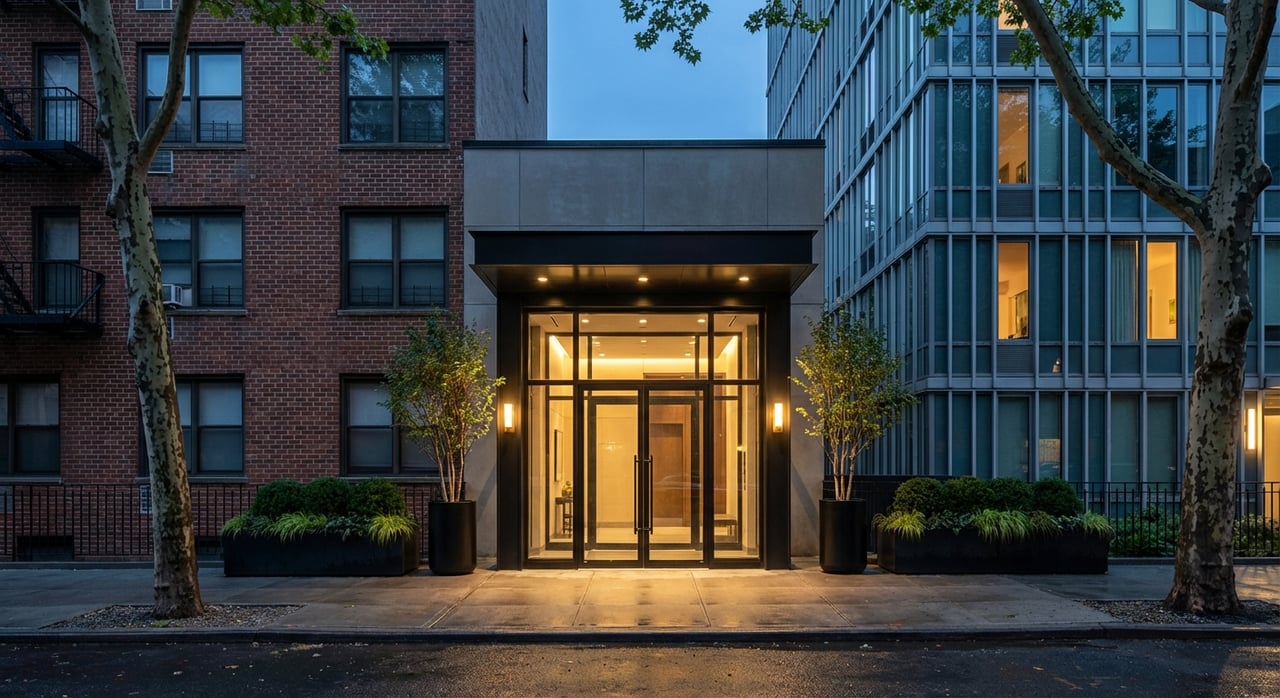
West Chelsea, especially near the High Line and the Hudson, is known for newer, architect-led condo buildings with strong amenities. These residences are popular with pied-à-terre buyers and investors, and they often command higher prices per square foot (profiles of West Chelsea condos). If you want modern design, larger window walls, and full-service amenities, this is where you will likely focus.
Closer to Sixth Avenue and south of 23rd Street, you will see more prewar co-ops, loft conversions, and brownstones. These buildings often offer larger rooms, classic details, and a more owner-occupied profile, with prices that can be lower on a per-square-foot basis than new West Chelsea condos (east and central Chelsea co-op context). Many have stable boards and established financials, along with rules that shape who can buy and how you can use the home.
Recent market snapshots show Chelsea condos trading at higher median prices than co-ops, reflecting the new development mix and buyer pools. Reports around mid-2024 to 2025 indicate condo medians in the low-to-mid $2M range, while co-op medians are materially lower. For current figures, review a live neighborhood report before you write an offer (Chelsea market snapshot).
Condo financing is widely available, and many buyers put 10 to 20 percent down depending on loan size and project status. In the jumbo range, 20 percent is common. Co-op boards often set higher bars than lenders, with 20 to 30 percent down typical, and some buildings expecting 30 to 50 percent or even all-cash. Many boards also require post-closing liquidity equal to 12 to 24 months of housing costs, along with conservative debt-to-income ratios (NYC co-op down payment norms).
For condos, lenders check whether the building is warrantable and whether it can pass a Limited or Full project review. Non-warrantable buildings may limit your lender options and raise down payment and rate requirements, so confirm project status early (condo project review explained). If you plan to use FHA or VA financing, verify whether the condo is on HUD’s approved list as a pre-contract step (HUD condo approval search). FHA and VA financing are much more common for condos than co-ops.
Co-op sales include a detailed board package and often an interview, which adds time and approval risk. Many co-op deals take 8 to 16 or more weeks from contract to closing depending on the board and lender coordination (co-op board process detail). Condo deals usually close faster, often in 30 to 60 days for financed purchases, since your lender’s underwriting and title work are the main drivers (condo lending timelines).
A co-op in east or central Chelsea can offer value per square foot and a strong owner-occupied environment. If you can satisfy a higher down payment and liquidity requirement, this path often delivers space and neighborhood character at a lower entry price than new West Chelsea condos. Expect a thorough board review and a longer closing timeline.
A condo is usually the simpler path. Condos tend to allow more flexible ownership and occupancy, which suits occasional use and cross-border situations. West Chelsea’s modern condo stock near the High Line often pairs design-forward living with solid amenities and easier resale (development patterns near the High Line). Always confirm building rules on second-home use and entity purchases in advance.
Condos are generally the better fit. Many co-ops restrict subletting or require waiting periods and term limits, which can limit yields. Confirm sublet policies, fees, and any rental caps before you commit, and review tenant-protection rules that could affect your plan (sublet policy and due diligence guide).
Use this list to request the right documents before you make an offer.
Ask the listing agent for: 3 years of audited financials, the current budget and reserve balance, recent board minutes, the sublet policy, any pending or planned assessments, and the policy on non-resident and LLC purchases. Complete packages help you compare buildings fairly and negotiate with confidence.
Choosing between a condo and a co-op in Chelsea is about fit. Match your use case, financing profile, and timeline to the right building type, then confirm the project’s rules and financial health before you sign. If you want a clear, multilingual path from shortlist to keys, connect with Bruna Costa for tailored guidance across Chelsea’s condo and co-op market.
Stay up to date on the latest real estate trends.







Get assistance in determining current property value, crafting a competitive offer, writing and negotiating a contract, and much more. Contact me today.