Boutique Versus Full Service Condos In NoMad
April 23, 2026
April 23, 2026
Trying to choose between a boutique condo and a full-service tower in NoMad? In this part of Manhattan, the decision is not just about aesthetics or amenities. It is about how you want to live, what monthly costs you are comfortable carrying, and which tradeoffs make sense for your goals. If you are weighing privacy against convenience in one of Manhattan’s most central condo markets, this guide will help you compare the two with more clarity. Let’s dive in.
NoMad is widely understood as a central Manhattan neighborhood anchored by Madison Square Park and framed roughly between 23rd and 34th Streets, from Lexington Avenue to Seventh Avenue, according to the NoMad Alliance. The area is known for a mix of historic architecture, hospitality, dining, shopping, and newer luxury residential development.
Pricing reflects that demand. StreetEasy’s current NoMad page, cited in the research, shows overall condo median listing values around $2.425 million and roughly $1,953 per square foot, while new-development condos are listed at a median of about $4.19 million and $2,988 per square foot. In other words, buyers in NoMad are often making high-stakes decisions where building type can meaningfully shape both lifestyle and long-term carrying costs.
In New York City, there is no single legal definition of a boutique condo. As Brick Underground explains, the term is often used for buildings with anywhere from 10 units to fewer than 50 units, though usage can vary.
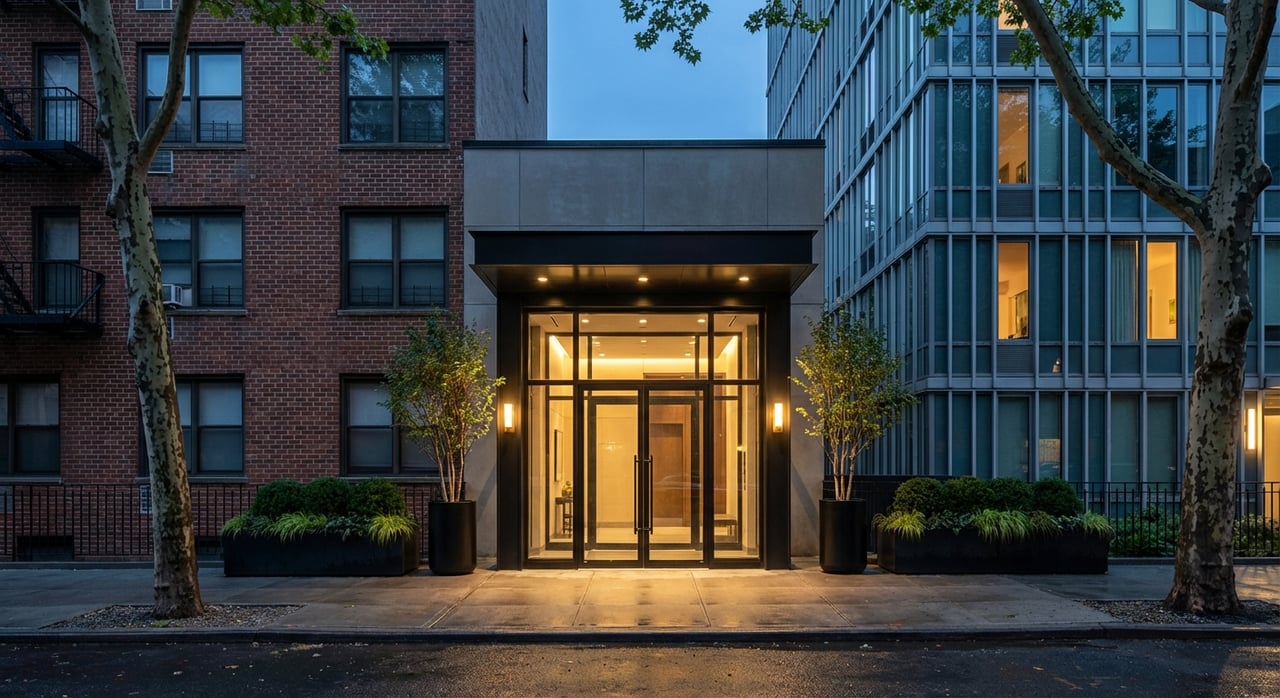
What matters more than the label is the lived experience. Boutique-scale buildings often appeal to buyers who want fewer neighbors, a quieter atmosphere, and a more intimate feel. They can also feel less standardized than larger towers, especially when the design, layout, or service model is more tailored to the building itself.
That said, smaller does not always mean simpler or cheaper. Smaller buildings may have fewer large amenity spaces and less staffing, but they also have less economy of scale when major building expenses come up.
If you are drawn to boutique living in NoMad, these are often the biggest benefits:
For some buyers, especially those looking for a pied-à-terre or a more discreet Manhattan home base, that can be a strong advantage.
The tradeoffs tend to show up in infrastructure and budgeting. Brick Underground notes that major capital costs, such as roof work, façade repairs, or mechanical replacements, are spread across fewer owners in smaller buildings. That can make reserve levels and special assessments more sensitive to one major project.
A boutique building also may not offer the level of staffing or service found in a full-service tower. If package handling, 24-hour entry staff, extensive fitness space, or multiple lounges matter to you, some smaller condos may feel limited.
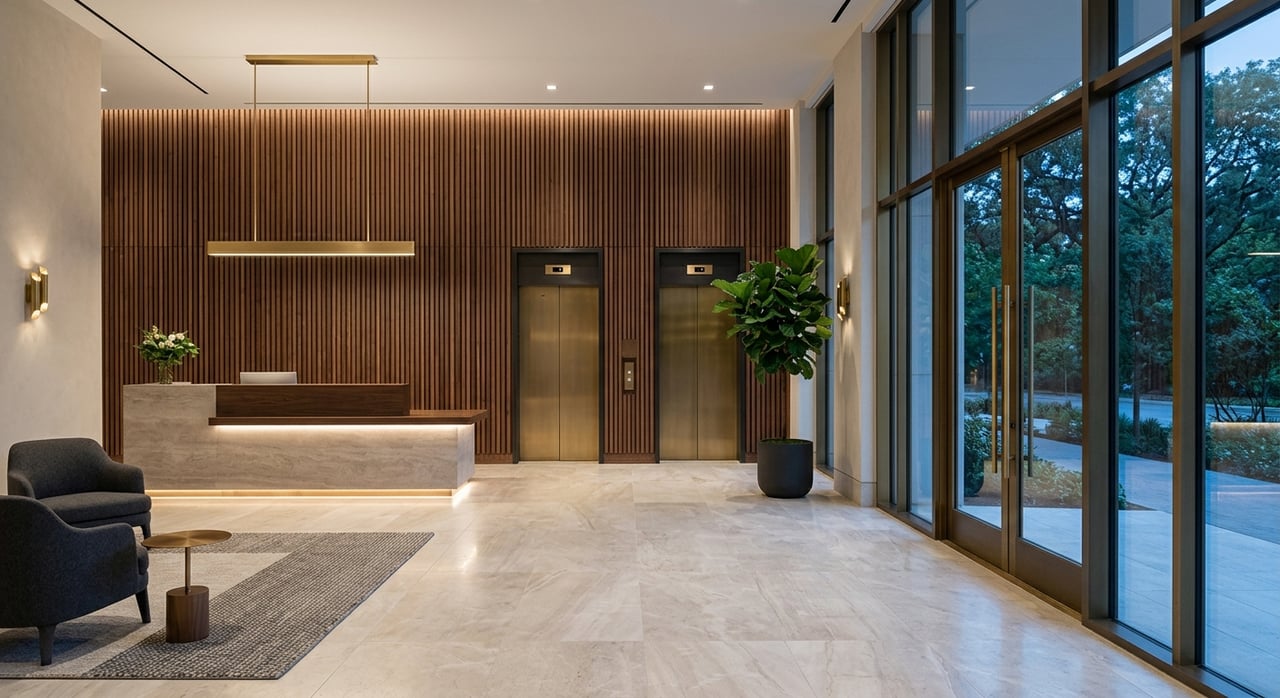
A useful local example is The NOMA at 50 West 30th Street. While it is still a relatively small building by Manhattan standards, it includes features many buyers associate with elevated condo living, including full-time doorman service, a lobby attendant, bike room, gym, and roof deck, based on the research provided.
It is also a good reminder that boutique scale does not automatically mean low monthlies. A recent listing cited in the research showed common charges of $861 per month and annual taxes of $13,296. That combination highlights an important point: your monthly ownership cost depends on the full picture, not just the building’s size.
Full-service buildings are defined more by operations than by unit count. In Brick Underground’s guide to buying in NYC buildings, full-service or white-glove properties typically include round-the-clock doormen, porters, a resident manager, and sometimes concierge support.
In practice, full-service condos in NoMad tend to emphasize convenience. They often offer staffed lobbies, package management, more polished day-to-day operations, and larger amenity suites. For many buyers, especially busy professionals, second-home owners, and relocation clients, that convenience has real value.
A full-service building may be the better fit if you want:
That last point is worth noting. StreetEasy’s analysis of NYC features that sell found that certain features were associated with premiums, including a 10.9% premium for a doorman below $2.5 million, a 6.8% premium for concierge service above $2.5 million, and an 11.8% premium for a building pool. That does not guarantee resale performance, but it suggests that buyers do assign value to service and amenity packages.
The most obvious tradeoff is cost. Staffing, amenity maintenance, and larger common areas all need to be funded. While large buildings can spread those costs across more units, richer service packages still tend to push monthly charges higher.
You may also be paying for amenities you do not use often. If you rarely visit the gym, never host in a private dining room, and do not need concierge support, a full-service building can feel like an expensive bundle.
Two clear NoMad examples help illustrate the difference.
At 277 Fifth Avenue, the official building site describes over 7,000 square feet of recreational space, including a lobby library, landscaped terrace, fitness club, separate training and yoga studio, spas, entertaining suite, private dining room, games lounge, and kid’s club. Current availabilities on the same site show monthly common charges of $3,620, $5,874, and $7,157, with real estate taxes of $5,463, $8,701, and $10,588, depending on the residence.
At Madison House, CityRealty describes a 62-story, 199-unit condominium with 30,000 square feet of amenities, including a spa with a 75-foot lap pool, cold plunge, hot tub, steam room, sauna, treatment room, and lounge areas. This is the larger-scale version of the full-service model: more units, more shared space, and a more extensive hospitality-style amenity package.
When you compare boutique versus full-service condos in NoMad, it helps to separate three things: common charges, real estate taxes, and potential changes over time.
According to Douglas Elliman’s Q4 2025 Manhattan sales report, average condo common charges plus real estate taxes in Manhattan totaled $5,013 per month, or $3.48 per square foot per month. That gives you a broad benchmark, but individual NoMad buildings can vary widely depending on staffing, amenities, age, reserve planning, and tax treatment.
Brick Underground also notes that condo common charges are separate from property taxes. So even if a building advertises relatively low common charges, your total monthly ownership cost may still be much higher once taxes are included.
In some condos, tax abatements can affect the numbers significantly. The NYC Cooperative and Condominium Property Tax Abatement is applied for by the condo board or an authorized agent, not by the individual owner. Eligibility depends on factors such as primary residency, ownership limits, and the building’s filing status.
For buyers, the practical takeaway is simple: verify whether the building currently receives the abatement, whether filing requirements are current, and whether any developer incentive could expire after closing. A building’s monthlies can look very different if a tax benefit changes.
If you value privacy, fewer shared spaces, and a more discreet day-to-day experience, a boutique condo may suit you better. This can be especially appealing if you want a home that feels quieter and less operationally busy.
If you want convenience, on-site support, and the ease of a more managed environment, a full-service condo may be the stronger fit. Buyers relocating to Manhattan, maintaining a second home, or balancing demanding schedules often appreciate that added structure.
Neither category is automatically better. In NoMad, the better choice is the one that aligns with how you actually live and what you want your fixed monthly costs to support.
Whether you lean boutique or full-service, the smartest next step is to ask better questions. The building’s offering plan, financials, and operating history matter just as much as the finishes in the apartment.
Here are some of the most useful questions to ask:
Brick Underground also recommends reviewing practical issues such as flood exposure, bed bug history, and other building operations that can affect day-to-day ownership. These details may not be glamorous, but they often shape your actual experience more than marketing language does.
In a neighborhood where condos span intimate buildings and amenity-rich towers, your decision should come down to fit, not just image. A boutique condo may offer the privacy and character you want, while a full-service tower may justify its costs through convenience and broader amenity access.
The right purchase in NoMad is usually the one that balances your lifestyle, your holding costs, and your long-term plans. If you want help comparing specific buildings, reviewing monthly costs, or narrowing down the right condo strategy in Manhattan, Bruna Costa offers a polished, concierge-style approach tailored to local and international buyers alike.
Stay up to date on the latest real estate trends.


Get assistance in determining current property value, crafting a competitive offer, writing and negotiating a contract, and much more. Contact me today.