Living On The Upper East Side: Homes, Culture, Daily Rhythm
February 5, 2026
February 5, 2026
Trying to picture what daily life on the Upper East Side really feels like? You may have heard about co-ops, Museum Mile, and Central Park mornings, but you want the full picture before you choose a block. This guide gives you a grounded view of homes, culture, transit, schools, healthcare, and the everyday rhythm that defines the neighborhood. You will also find practical tips to navigate co-ops versus condos and a checklist to help you decide where to focus. Let’s dive in.
The Upper East Side stretches from roughly 59th Street to about 96th Street, between Fifth Avenue along Central Park and the East River to the east. Within those borders, you will hear people reference smaller areas. Carnegie Hill, around the upper 80s to mid 90s, feels especially residential. Yorkville, closer to the river, blends longstanding residential streets with newer development. The southern UES near 59th to 70th has more Midtown energy.
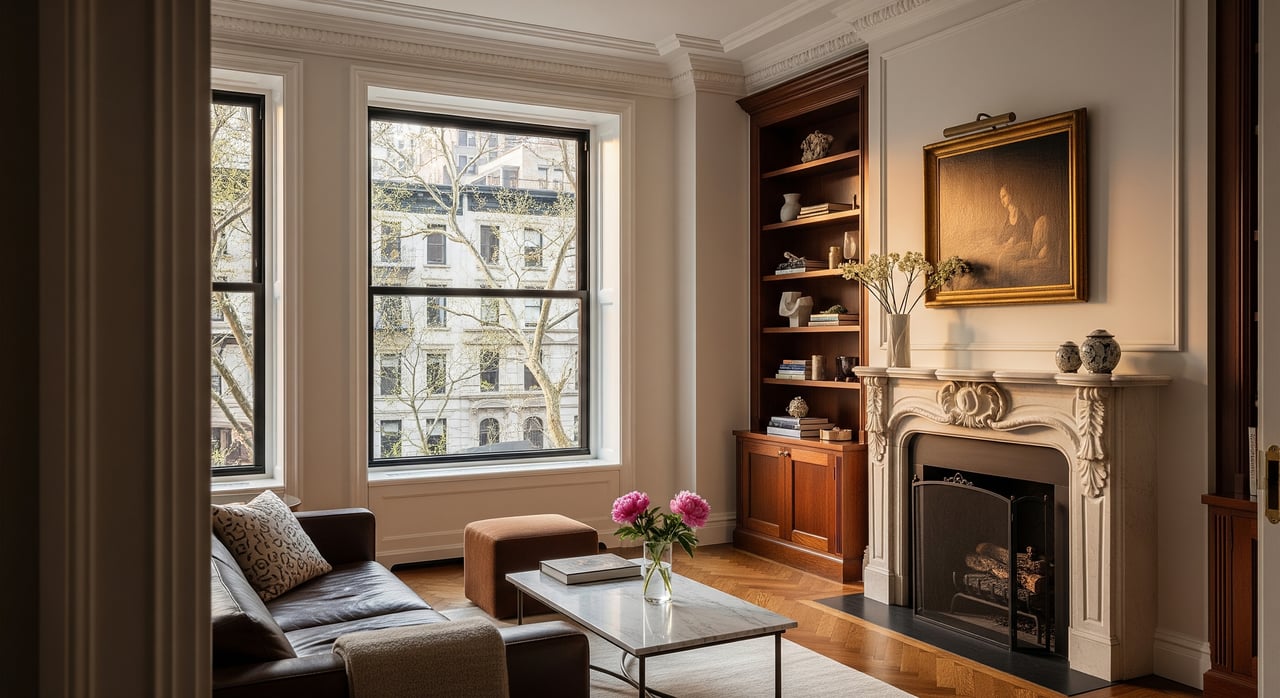
The neighborhood’s identity is residential, polished, and practical. You will find a mix of historic co-ops, elegant townhouses, and modern luxury condos. It is popular with families who value parks and schools, professionals who commute to Midtown, and long-term residents who appreciate well-run buildings and neighborhood services. International buyers are also common in the condo market.
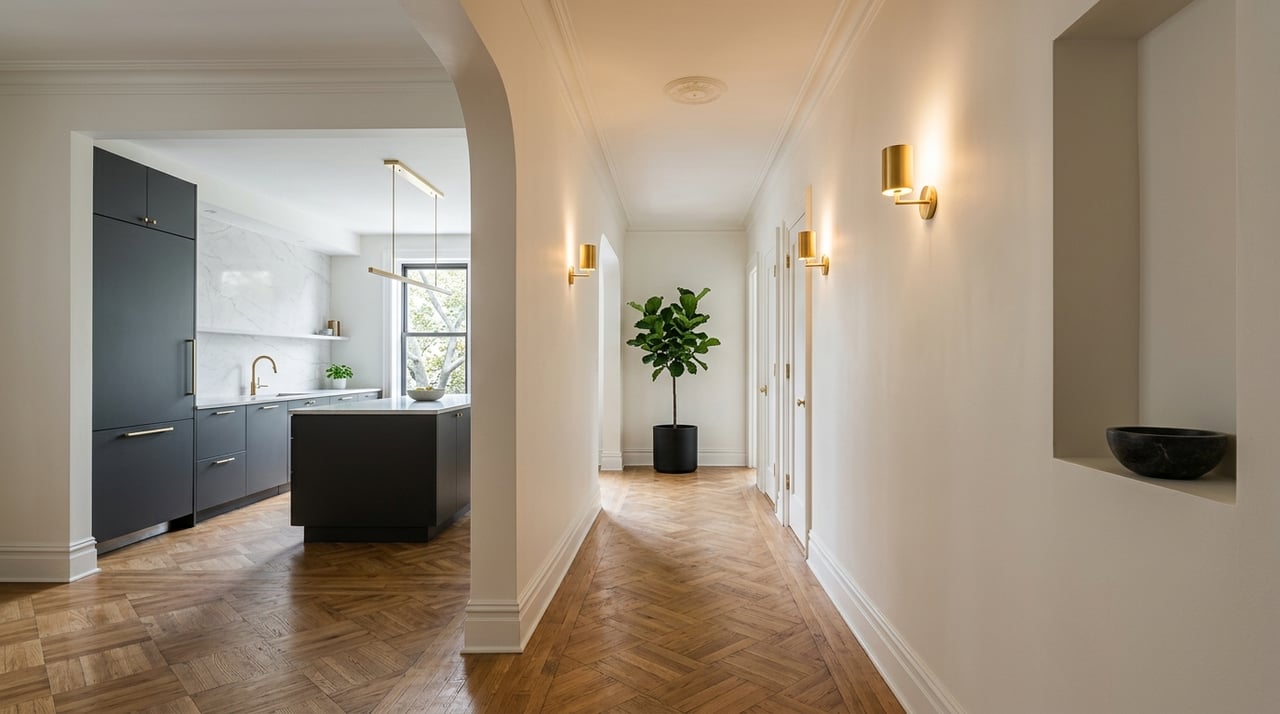
You can choose from a wide range of homes on the UES. Different buildings offer distinct lifestyles, layouts, and processes.
Your ownership choice shapes your process, budget, and flexibility.
Co-ops
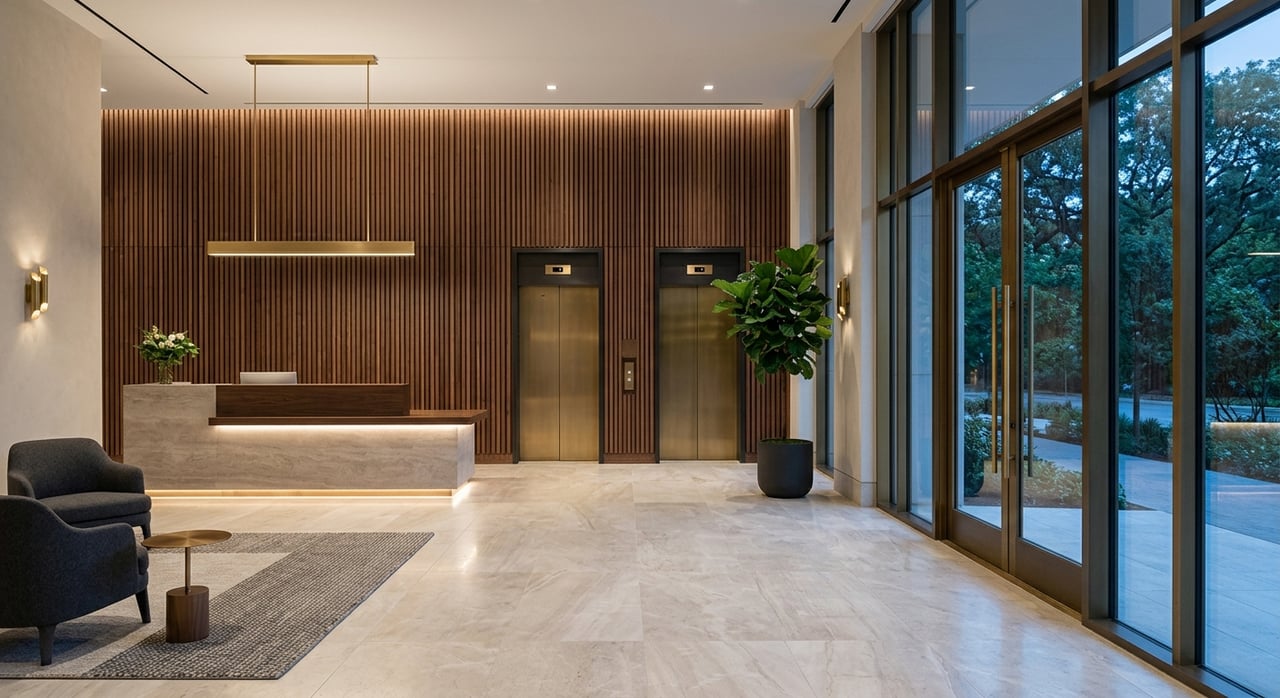
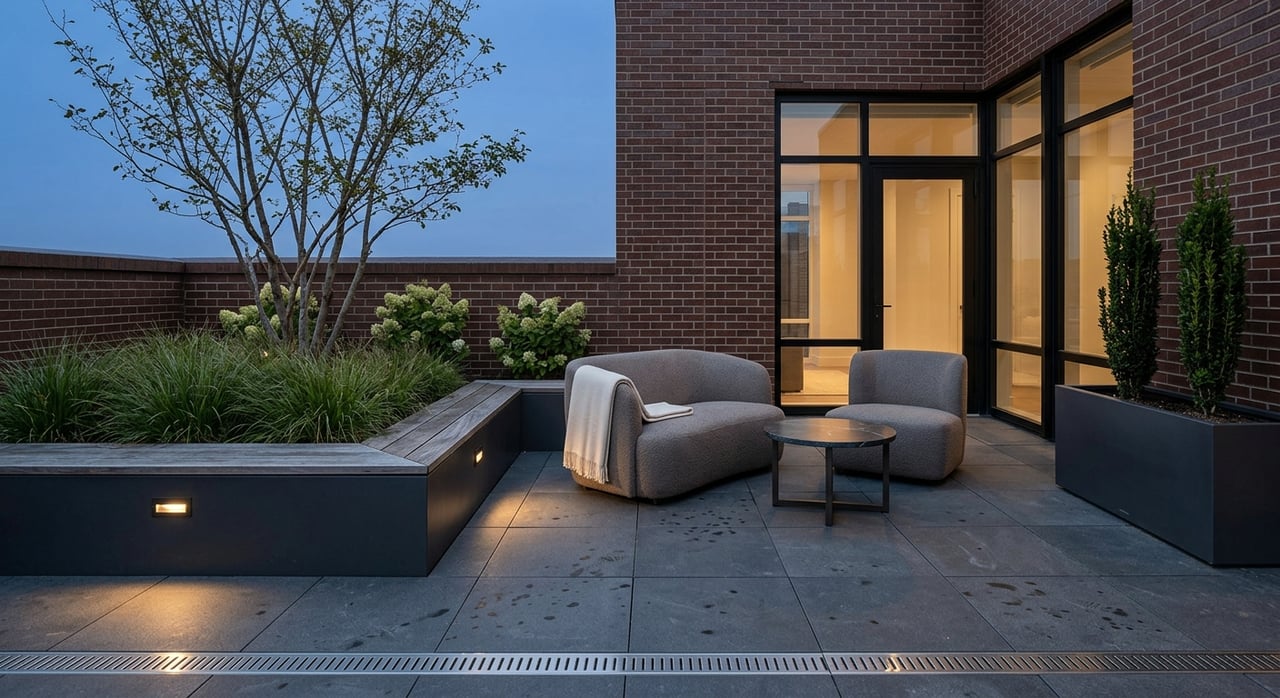
Condos
Rentals
On weekdays, you will see the morning rush to the subways and buses, school drop-offs, and brisk coffee lines. Midday brings a quieter flow of residents and museum visitors, especially along Fifth Avenue. Evenings lean toward family dinners, classes for kids, and neighborhood dining rather than late-night nightlife.
Weekends bring a comfortable bustle. Central Park is the backyard for jogging, biking, and playground time. Museum Mile draws locals and visitors. Brunch fills cafés along Lexington, Third, and Second Avenues. Shopping can range from Madison Avenue boutiques to practical neighborhood retail.
The western edge of the neighborhood borders Central Park, which shapes daily routines with playgrounds, fields, paths, and the reservoir loop. On the east, Carl Schurz Park, John Jay Park, and the East River Esplanade offer waterfront runs, playgrounds, and dog areas. Asphalt Green on the East Side is a major community sports hub with pools, courts, and youth programs. Pocket parks and small gardens dot many blocks, making quick fresh-air breaks easy.
Museum Mile anchors the neighborhood’s cultural life. The Metropolitan Museum of Art and the Solomon R. Guggenheim Museum sit among notable institutions like the Jewish Museum, Neue Galerie, and the Museum of the City of New York. Beyond the headline names, you will find smaller galleries, community arts programs, and library branches that host classes and events for both children and adults.
Dining ranges from white-tablecloth rooms near Madison and Park to casual cafés, bakeries, and delis along Lexington, Third, and Second Avenues. Yorkville’s avenues have clusters of local restaurants, with options for everyday meals. Grocery choices include national chains and specialty markets, plus seasonal farmers’ markets.
Public schools on the UES fall within Manhattan community districts. Zoning and admissions rules change, so families typically use the NYC Department of Education school finder to confirm current zones and programs. Performance and offerings vary by individual school.
The neighborhood has a high concentration of private and independent schools, which influences family routines, traffic near drop-off times, and demand for nearby housing. Many museums, sports centers, and music schools offer after-school classes and weekend programs, giving you a full menu of youth activities.
Subways make car-free living very practical. The Lexington Avenue Line, with the 4, 5, and 6 trains, runs north-south through the center of the neighborhood. The Second Avenue Subway’s Q train serves the east side and has improved access for Yorkville and beyond. Crosstown buses on key streets like 79th and 86th, plus north-south routes such as the M15, add flexibility when trains are crowded.
You will also find Citi Bike stations and a growing network of bike lanes. Taxis and ride-share are easy to hail, especially on the avenues. Parking is limited and expensive, so many residents do not keep a car. Commutes to Midtown are usually short, and many residents work in Midtown, the Financial District, or elsewhere across the city.
You have access to major medical centers within short travel distances, including Mount Sinai, NewYork-Presbyterian/Weill Cornell, and Lenox Hill. The neighborhood is dense with urgent-care clinics, dental practices, and specialty providers. Daily needs are also covered by local pharmacies, dry cleaners, pet services, and hardware stores.
The UES spans a wide range of price points, from entry-level rentals and older co-ops to high-end condos and townhouses. Prices vary by building type, location, and amenities. Co-op processes can feel more involved if you are new to them, but they can offer value for buyers who fit building policies. Areas near museums see heavier foot traffic, while streets deeper in the neighborhood feel more residential. Parking can be challenging.
Use this quick checklist as you narrow your search:
A great Upper East Side decision blends market insight with comfort in your day-to-day routine. You want a clear understanding of co-op board norms, condo flexibility, and the subtle differences between Carnegie Hill, Yorkville, and the southern avenues. You also want a process that respects your time, language, and goals.
If you are buying, selling, renting, or relocating, a boutique, principal-led approach can make the difference. With nearly two decades of Manhattan experience and multilingual support for international clients, Bruna Costa offers concierge-level guidance from first conversation through closing and move-in. Ready to explore your options or map a plan for your timeline? Connect with Bruna Costa to start a conversation.
Stay up to date on the latest real estate trends.


Get assistance in determining current property value, crafting a competitive offer, writing and negotiating a contract, and much more. Contact me today.